


Capybara facts
Are there capybaras at London Zoo?
We have two capybaras at London Zoo called Gizmo and Kiwi. They are a lovely brother-sister duo who are very close, but Kiwi is definitely the boss!
Both are extremely friendly and will stick around for scratches and a tickle for as long as you let them. They also love to swim and jump into the pool almost every day.


Gizmo - Born November 2023
Gizmo is a big foodie and will eat anything, corn on the cob is one of his favourites! He loves to sunbathe while you scratch is belly in the sun.
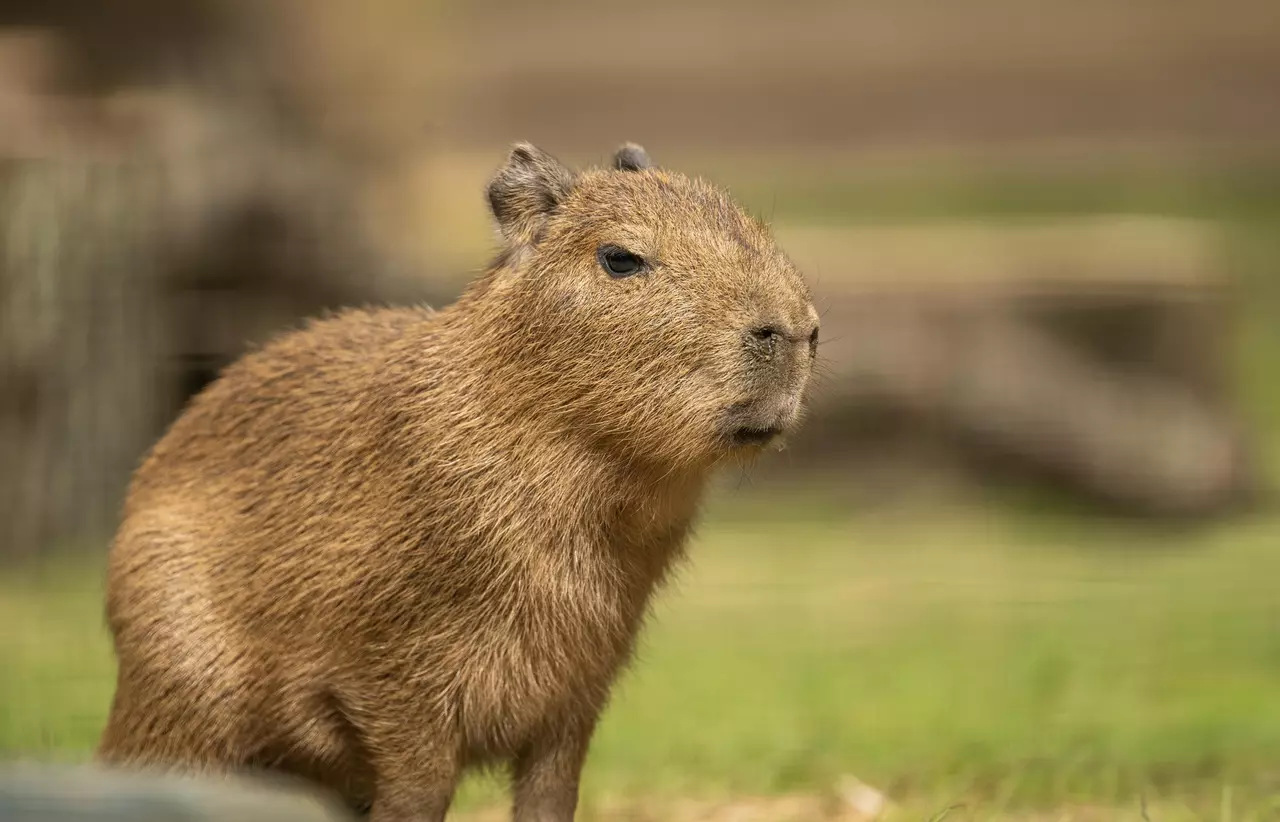
Kiwi - Born June 2024
Kiwi is the baby of the group, we call her Kiwi the princess as she is a little spoilt. She gets her name from the Harry Styles song. She is a big foodie like her brother and is addicted to bamboo, but she's also partial to a corn on the cob.
Where will I find the capybaras at London Zoo?
You can find our capybaras in the Blue Zone of the Zoo, next to ZooTown. They moved into a brand-new spa-inspired pad in November 2025 complete with two pools, mud-bath wallows and climate-controlled zones to relax in.

Book a capybara experience
Five fun facts about capybaras
- Capybaras are the largest rodents in the world.
- Capybaras hide from predators by submerging themselves in the water when they feel threatened. In fact, a capybara can stay underwater for up to five minutes at a time.
- They may look stocky, but capybaras are actually fast runners and can reach speeds of up to 22mph.
- Their scientific names means ‘water pig’.
- Like other rodents, a capybara’s teeth grow continuously, and they wear them down by grazing.
What do capybaras look like and how are they adapted to their environment?
Capybaras are semi-aquatic and are strong swimmers with webbed feet. Much like a common hippo, they are specially adapted for swimming with eyes, ears and nostrils on the top of their heads so they can remain alert even when most of their body is underwater. They also have brittle fur, which dries quickly on land.

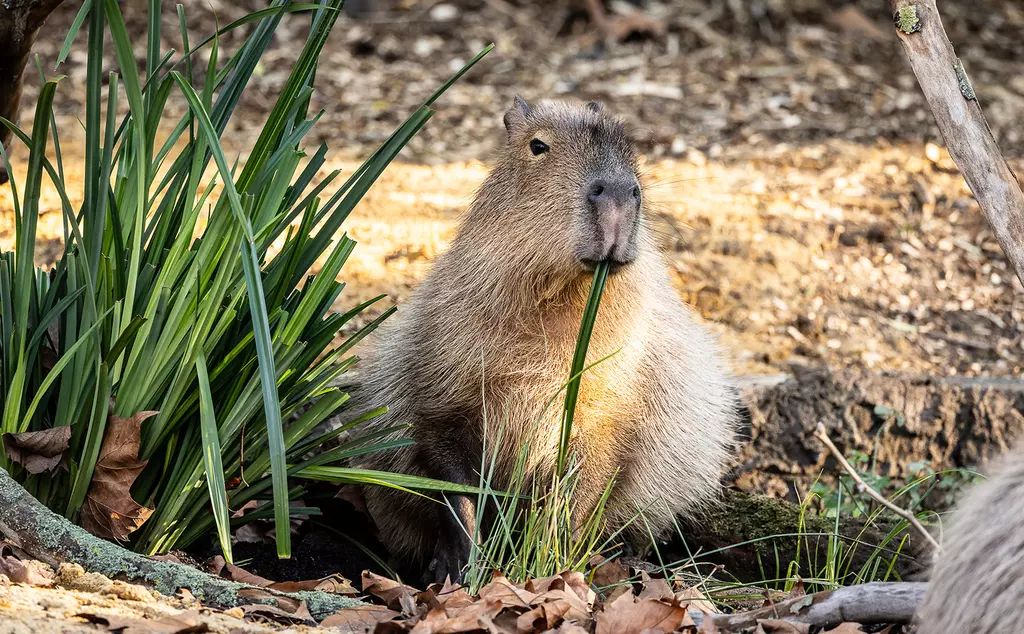


What do capybaras eat?
Capybaras are herbivores and primarily eat grasses and water-based plants. They also regurgitate their food and eat their own faeces in the morning when it’s high in protein, which essentially means they get to digest tough plants twice.
What threats do capybaras face in the wild?
Capybaras are listed as Least Concern on the IUCN red list, but do face threats including deforestation, habitat destruction, and illegal hunting for their skin. They’re also prey for predators like jaguars and caimans.

Capybara gifts


Love capybaras?
Browse our capybara range - from pin badges and soft toys to an adoption gift pack - in our online shop and help us to protect wildlife around the world.

London Zoo Newsletter
Get the latest updates about exciting animal news from the Zoos, upcoming events, experiences, offers