
6 December 2025
This December, you can help us serve up a Christmas feast for our animals by donating the cost of a festive dinner.
What's on the menu for our Zoo residents? Here’s seven things our animals eat throughout the year that may surprise you…
1. Fish shakes
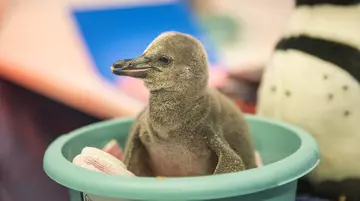
This year's penguin chicks are all grown up now, but when they were newly hatched, they were given special fish shakes to make sure they were getting all of the nutrients they needed. It might not sound very appetising, but by blending it all up into a a liquid form, it makes it much easier for them to swallow - although it does get a bit messy! Find out how to make the perfect fish shake.
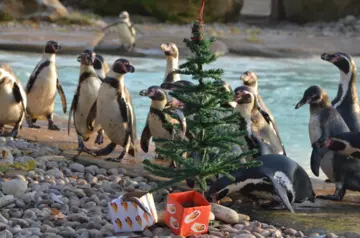
There are lots of hungry beaks to feed on Penguin Beach this Christmas. And you can treat our Humboldt penguins to a calamari starter, a fishy feast of sprats, mackerel and sardines, and even crunchy crustaceans for dessert. The perfect penguin supper.
2. Fruit tea
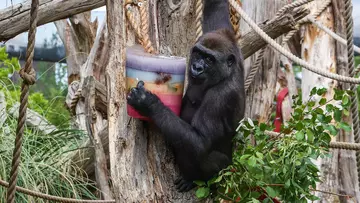
Primates like our gorillas and squirrel monkeys enjoy fruit tea, which can also be frozen in the summer to make icy treats to keep them cool.
They enjoy a selection of different flavours of fruit teas, and it’s a great way to ensure they stay hydrated without having excess sugar. Watch our keeper Glynn make fruit tea for our gorillas.
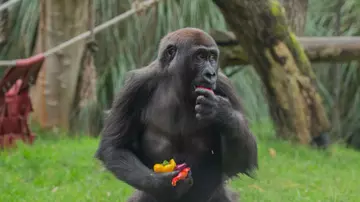
Our gorillas also get through a lot of veg! And this will make up the bulk of their Christmas dinner this year - the youngsters won't need any encouragement to eat their greens. With your support, they can enjoy kale and spinach for a starter, and the ultimate salad for the main course, made up of peppers, sweet potato, carrots, cucumber, and more.
Give OUR gorillas a foodie gift
The troop eat their veg raw or lightly steamed, which is a lovely winter treat – they hold the warm food in their hands until it cools, just like we do with hot drinks on a wintry walk. And if you're visiting London Zoo over the festive season, we've got a fabulous selection of seasonal drinks and treats to choose from, including the ultimate millionaire hot chocolate!
3. Tree gum
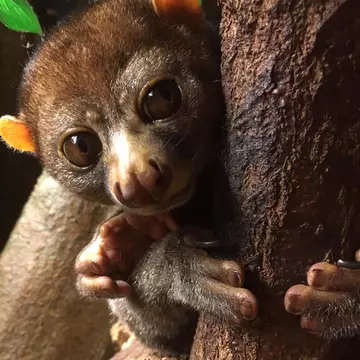
Gum Arabic is a food item that replicates tree sap. When you mix it with water, it becomes a sticky liquid that our keepers pour into holes in logs. This is great enrichment for some of our nocturnal animals like our bushbabies and pottos as they can gauge it out, replicating natural behaviours in the wild.
In fantastic footage captured by keepers on a specialist camera, FLIR (Forward Looking Infrared), watch our grey mouse lemur family eating frozen Gum Arabic - the camera captures the contrast of the frozen food with the warmth of the lemurs' bodies.
Did you know?
Some foods can alter the appearance of animals? We give our Javan green magpies a powder called yel-lux which contains yellow colouring to keep them vibrant and green. Without the additional yellow, their feathers would start to turn blue.

4. Blood ice lollies
We all enjoy an icy treat in the summer time, including our big cats, our Sumatran tigers and Asiatic lions. Perhaps not everyone’s flavour of choice, our keepers make them out of blood – watch how.


It's a bit cold for ice lollies at this time of year, but our big cats can't get enough of their blood and meat. Our lions are looking forward to platter of beef, kidney and liver for their main course on Christmas Day, plus some succulent bones to gnaw for dessert. A feast fit for a (Lion) King!
Festive dinner donations will not only help us provide nourishing meals for our animals, but will support ZSL's vital conservation work around the world, protecting endangered species, including lions and tigers. What's even better is that every donation made will be matched by a generous supporter*, so one meal becomes two!
5. Sugary cordial

Sunbirds have high metabolic rates and eat nectar in the wild, which is primarily made of sugar.
It’s really important that we replicate this for our sunbirds in the Blackburn Pavilion so that they also have lots of sugar in their diet. Our keepers make them a special nectar mix, a bit like a squash, to ensure they have enough energy.
Sunbirds are just one of many beautiful bird species to spot in our tropical bird walkthrough, flying freely all around you. And the Blackburn Pavilion is the perfect place to warm up in on a winter Zoo visit.
6. Their own poo

Capybaras are loved around the world, well-known for being chilled out, gentle creatures. But what you may not know is that they sometimes eat their own poo - just one of the reasons why they don't make good pets.
The grasses they eat can be hard to break down, so by eating poo, they have a second chance at digesting it and can absorb extra nutrients. Makes perfect sense really.
If this fun fact hasn't put you off and capybaras have captured your heart, read our roundup of our top, responsible, things you can do to show your love for these iconic animals.
7. Anything!

Komodo dragons aren’t fussy. They’re opportunist carnivores so eat pretty much anything, dead or alive. In fact, they can eat up to 80% of their body weight in one sitting!
A huge turkey to get their 'claus' into is a dragon’s idea of the perfect festive supper, keeping them full, at least until Boxing Day.
Find out more fun foodie facts when you visit London Zoo this winter, and help us spread some Christmas joy with your favourite animals by donating a festive dinner. Thank you for your continued support.
Donate a festive dinner
*Donations to our Festive Dinners appeal will be doubled by a generous donor up to a total of £10,000.