
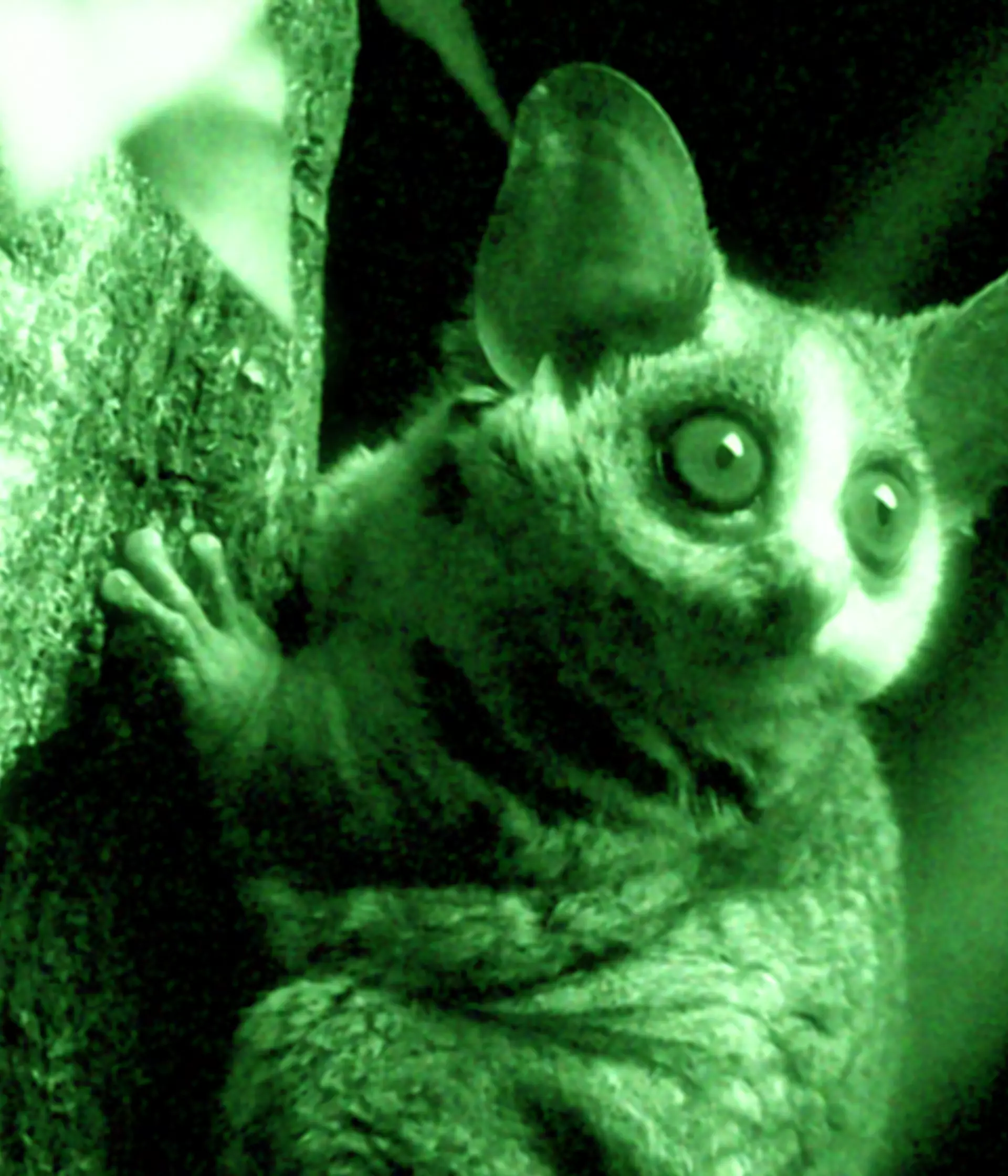
London Zoo's keepers have captured striking photographs and video footage of their most superstition-shrouded nocturnal residents.
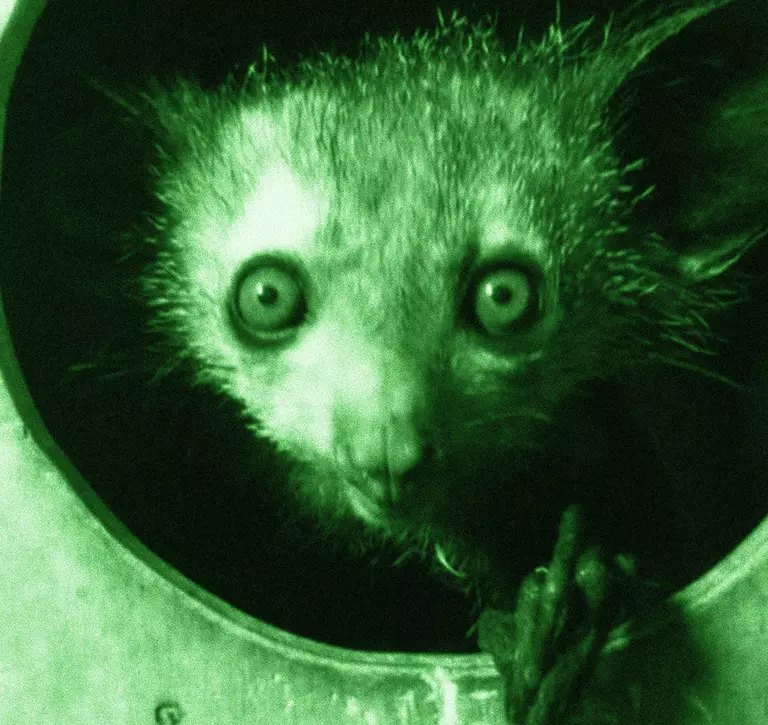
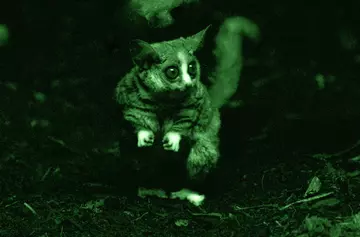
As darkness fell over London’s conservation zoo, zookeepers took a night-vision camera into the shadowy homes of its nocturnal residents – the aye-ayes, bushbabies and pygmy slow lorises – getting new closeup views of the Zoo’s most elusive animals in our Night Life habitat.




Boo at the Zoo Halloween half term fun
Why do we use night-vision cameras?
Checking in on the Zoo’s inhabitants with night-vision cameras plays a critical role in their wellbeing, allowing zookeepers to ensure animals are healthy, happy and social, day or night.
In the wild, camera traps used by ZSL – the conservation charity that runs London Zoo – are a major conservation tool, often using miniaturised heat and motion sensors to capture the study the movements and behaviours of the smallest nocturnal animals.
Watch animals in action!
In incredible footage captured by keepers on a specialist camera, FLIR (Forward Looking Infrared), you can see the unique heat radiation patterns of some of our nocturnal animals and their habitats. Watch the contrast of aye-aye Salem (Sally) clambering across the branches in her home - you can even make out the leaves on the trees.
You can also spot our grey mouse lemur family gauging out gum arabic from logs. The gum arabic, a food that replicates tree sap, was poured into holes in the logs and then frozen, and the camera captures the contrast of the frozen food with the warmth of the lemurs' bodies.
What are the superstitions surrounding nocturnal animals?
The species which call London Zoo’s Night Life habitat home are notoriously elusive, navigating with little light and exceptionally powerful hearing. In the wild, their nocturnal and shy behaviours have left plenty of room for misunderstanding and distrust of these species.
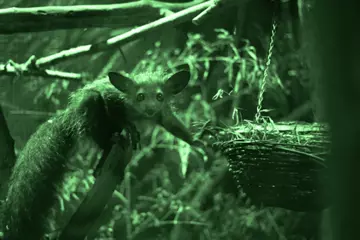
In their native Madagascar, some local superstition says aye-ayes are omens of bad luck, bringing death to those it points its unusually long middle finger at, while some myths local to Eastern Cambodia claim slow lorises hide their faces because they are constantly seeing ghosts. The bushbaby, whose native home includes the Savannah woodlands of Namibia, Zambia and Zimbabwe, is named after its loud and distinctive cry that sounds like a newborn baby; its call is said to lure humans from the safety of their homes.
The IUCN Red List cites regional taboos and persecution as contributing factors to the decline in the wild population of these species, which are also highly vulnerable to mass habitat destruction.
DISCOVER More nocturnal animals
Seeing our animals in a new light
Centuries-old superstition can tarnish the reputation of species like the Endangered aye-aye, but at London Zoo we’re their biggest fans! They are truly remarkable creatures, highly adapted for their environment while serving important ecological roles such as seed dispersal, pollination and insect control.
By sharing close-up views of our most elusive animals, we want to dispel misconceptions that overshadow their importance and highlight our crucial conservation work to protect them. And you can discover more this Halloween half term through interactive games and immersive activities.
What's on at London Zoo this Halloween?
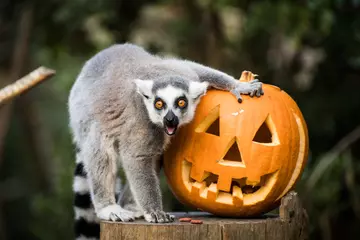
This October half term, step into a world of autumnal magic and spooky fun, and uncover the secrets of nocturnal wildlife with Boo at the Zoo. Learn how animals survive and thrive in the dark through fun, hands-on activities and games. Plus, don't miss:
- Pumpkin patch photo opportunities
- Pumpkin painting*
- Marshmallow toasting*
- Halloween crafts
- A silent disco
- Spooky animal talks and demonstrations
- Face painting*
*Additional charges apply.

Child tickets just £10, only for visits 25 October - 2 November 2025.