

21 April 2026
The animal kingdom is full of impressive record breakers. And this May half term, you're invited to help us smash a GUINNESS WORLD RECORDS® title with the biggest paint-by-numbers ever!
Here at London Zoo, we're home to some incredible species with amazing abilities. From the swiftest sprinters to the mightiest powerhouses, we're unveiling some of our animals' hidden talents in the ultimate tests of speed, strength, and agility.
The fastest animals
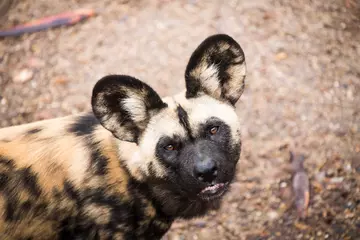
African wild dog
These pack hunters are incredibly fast. African wild dogs are capable of reaching speeds of up to 40mph for up to an hour, so they can run one and a half marathons in half the time of the average Olympian!
This comes in very handy when chasing prey. In fact, African hunting dogs are one of the most successful predators on earth, with an 80% hunt success rate, compared to lions who successfully catch their prey only 30% of the time.
Humboldt penguin
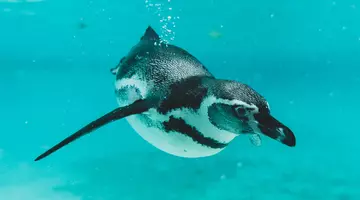
While they may waddle on land, penguins are absolute speed demons underwater. Humboldt penguins, in particular, can swim at speeds of up to 30mph! Watch them porpoising around their pool through our underwater viewing windows at Penguin Beach.
Did you know that they also enjoy a spot of diving? Humboldt penguins regularly dive up to 50m when hunting for food in the wild. Find out more fun facts and watch them in action in our daily talks and demonstrations.

Visit the world's fastest land animal at Whipsnade Zoo
Of course, we can't forget cheetahs - the fastest land animals - and you'll find them at our sister site, Whipsnade Zoo. A cheetah can go from 0 to 60 mph in only three seconds!
With a ZSL membership, you can enjoy unlimited visits to both of our Zoos for a whole year!

Strongest Animals
Leafcutter ant
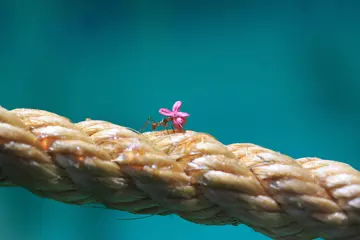
These tiny insects might be small, but they pack a powerful punch! Leafcutter ants can carry almost 50 times their own body weight, which is equivalent to a human carrying two cars! It's incredible to watch our ant colony carrying segments of leaves back to the nest in our Tiny Giants habitat, home to the planet's smallest but mightiest animals.
Madagascar orb weaver
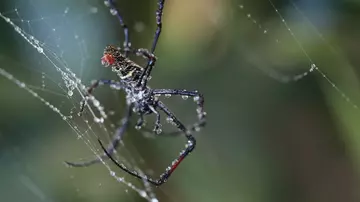
As you explore Tiny Giants, you'll stumble across our amazing arachnids as you go In with the Spiders - the UK's only spider walkthrough. Here, nothing stands between you and some incredible species, like the Madagascar orb weaver. This spider might look delicate, but its silk is incredibly strong. Pound for pound, the silk is stronger than steel!
Macaw
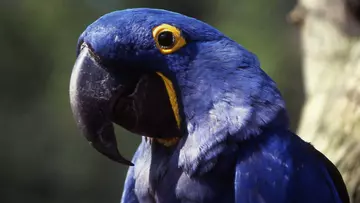
With their powerful beaks, hyacinth macaws can crack open nuts and seeds with ease. Their bite force is so strong that they can easily take apart the bars of a welded wrought iron cage!
Hyacinth macaws are the largest species of macaw in the world, and we're also home to critically endangered great green macaws, green-winged macaws and critically endangered blue-throated macaws.
Western lowland gorilla
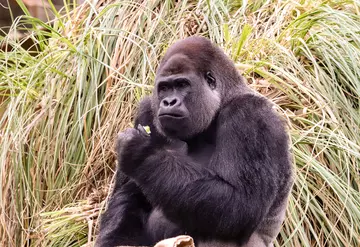
The undisputed gold medallists of the animal kingdom, gorillas are incredibly powerful - they can lift up to 10 times their own body weight!
At London Zoo, you'll find a troop of gorillas, headed up by silverback Kiburi, who is father to two adorable 'toddlers', Venus and Juno. Watch them playing and chasing each other around Gorilla Kingdom.
Most Agile Animals
Northern white-cheeked gibbons
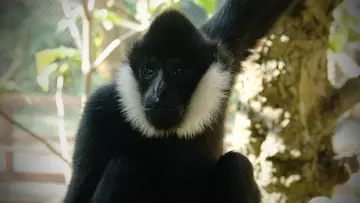
Gibbons are the most agile of all the apes and the undisputed gymnasts of the animal kingdom. With their long arms and incredible flexibility, they can move through the trees using a special form of fast swinging called brachiation and can make daring leaps of up to 10m between branches.
Visit our gibbons, Jimmy and Yoda, in Tiger Territory, opposite our Sumatran tigers.
Sumatran tigers
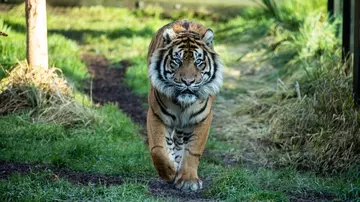
And talking of tigers, despite their size, tigers are incredibly agile and excellent jumpers. Even when sitting down, a tiger can leap forward 10 metres! They also have a strong bite - a tiger can bite down with the force of 1000 pounds!
Sumatran tigers are the rarest subspecies of tiger, classified as Critically Endangered on the IUCN Red List, and it’s estimated that there are only around 400 left in the wild. Every visit to our conservation zoo is helping us to protect wildlife and their habitats around the world.
Eleven things you didn't know about Sumatran tigers
Malagasy giant jumping rats
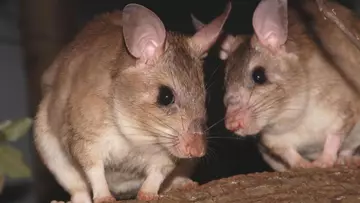
As the name suggests, Malagasy giant jumping rats are incredible jumpers. Aided by their large rear feet, they can jump almost 1 metre vertically, which is very handy when trying to evade predators. Despite their name though, and this incredible ability, their usual mode of movement is walking.
Look out for our rats, alongside other incredible nocturnal animals, in the Night Life area of the Zoo.

Join in the biggest paint-by-numbers ever!
Help us smash an official GUINNESS WORLD RECORDS® title!
Animals with Superhuman Skills
Butterflies
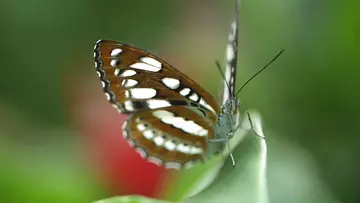
Butterflies have a secret superpower - they can see ultraviolet light! Humans can only see colours in the visible spectrum, but butterflies have special photoreceptor cells in their eyes that allow them to detect UV light. This incredible ability helps them find flowers with the sweetest nectar and identify potential mates.
Komodo dragons
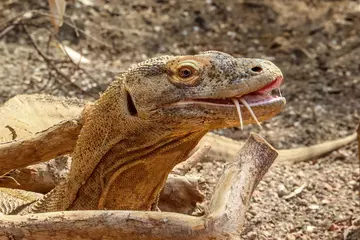
Komodo dragons have an incredible sense of smell that's almost superhuman - they can detect the scent of rotting flesh from miles away! Their forked tongues act like tiny noses, collecting scent particles and delivering them to special organs in their mouths. This amazing ability makes them expert scavengers and deadly hunters. And Komodo dragons can eat up to 80% of their own body weight in just one sitting.
Giant salamanders
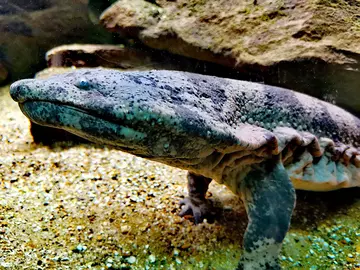
Giant salamanders are truly colossal creatures! Species such as the Chinese giant salamander can grow to be around 1.8m in length, making it the largest amphibian on Earth. Despite its intimidating size, this ancient creature is actually quite gentle and spends most of its time hiding at the bottom of rivers and streams.
As with most salamanders, Chinese giant salamanders can regrow parts of their body if damaged by predators – from entire limbs, to organs and even parts of their central nervous systems!
Okapis
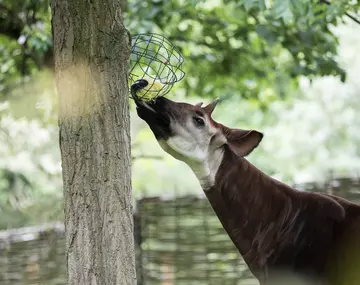
The okapi - the only living relative of the giraffe - has a really long prehensile tongue. It reaches 30cm - that's long enough to lick its nose, ears and even its eyes! It also comes in very handy to dextrously grab branches and leaves from trees.
Okapis also have large, upright ears, which can point in different directions to detect dangerous predators.